What to Plan, Measure, and Check Before Mounting New Cabinets
The key factors when installing kitchen cabinets are accurate measurements, wall condition, cabinet layout, weight support, and proper leveling. You also need the right tools and a clear plan before you start. A small mistake in layout or measurements can lead to crooked doors, gaps, or cabinets that do not line up with your appliances. Taking time to prepare makes your kitchen cabinet installation smoother and helps your cabinets last for years.
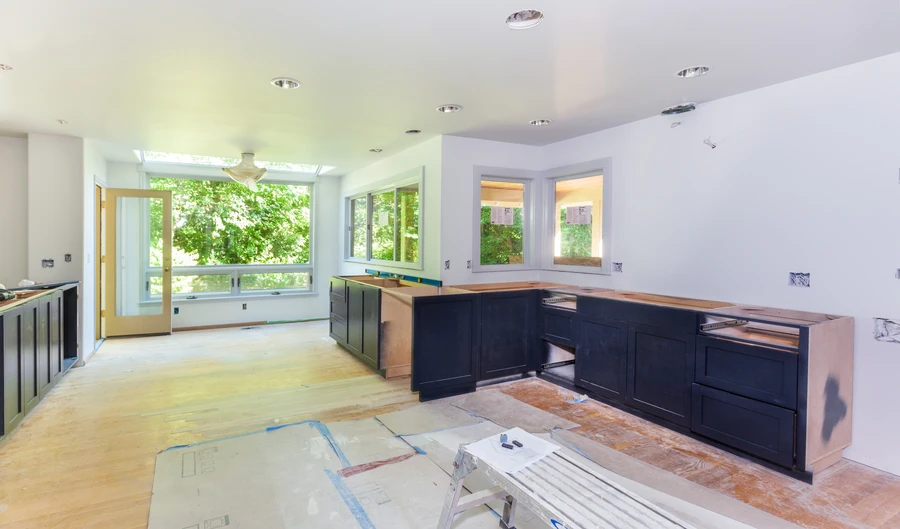
What You Need Before Starting
Before you begin any kitchen cabinet installation, gather the right tools and confirm your layout. Do not rely on guesswork. Measure everything at least twice.
You will need:

- Tape measure
- Level (2-foot and 4-foot work best)
- Stud finder
- Drill and screws made for cabinets
- Shims for leveling
- Pencil and straight edge
You should also have a final kitchen design plan. Know where the sink, stove, and refrigerator will go. Appliance placement affects cabinet height and spacing. If you are replacing old cabinets, remove them carefully and check the drywall behind them for damage.
Step-by-Step Installation Process
Following a clear order helps avoid problems later. Most professionals follow these basic steps:
- Mark the wall studs with a pencil.
- Draw a level line where the top of the base cabinets will sit.
- Install upper cabinets first to avoid working over base cabinets.
- Secure cabinets into wall studs using proper screws.
- Use shims to keep cabinets level and flush.
- Connect cabinets together before fully tightening screws.
- Install base cabinets and check alignment with upper units.
Installing upper cabinets first gives you more space to move. Always anchor cabinets into studs. Drywall alone will not hold the weight. Cabinets filled with dishes can become very heavy.
Common Mistakes to Avoid
Even small errors can cause big issues later. Crooked cabinets affect doors, drawers, and countertops.
Here are common problems people run into:
- Not checking if the floor is level
- Skipping the stud finder
- Rushing measurements
- Forgetting filler strips for tight spaces
- Misaligning cabinets around appliances
Floors are often uneven, especially in older homes. If you do not adjust for this, your countertop may not sit flat. Gaps between cabinets and walls can also appear if walls are not straight.
Another mistake is tightening screws too early. If cabinets are not connected and aligned first, you may lock them into the wrong position.
Layout and Design Factors
Good layout planning improves daily use. Think about workflow in your kitchen. The sink, stove, and refrigerator should form an easy path. This is often called the work triangle.
Cabinet height also matters. Standard upper cabinets are installed about 18 inches above the countertop. If you have taller ceilings, you may choose extended upper cabinets for more storage.
Weight capacity is another factor. Dishes, pots, and pantry items are heavy. Strong hardware and secure anchors help prevent sagging over time. Soft-close hinges and drawer slides can add comfort and reduce wear.
When to Call a Professional
Some homeowners handle kitchen cabinet installation themselves. Others prefer expert help. Large kitchens, custom cabinets, and uneven walls can make the job harder.
You may want professional help if:
- Your walls are not straight or square
- You are installing heavy solid wood cabinets
- Electrical or plumbing adjustments are needed
- You are adding a kitchen island
- You want a flawless, built-in look
Professionals have experience handling surprises behind walls. They also work faster and reduce the risk of damage. Improper installation can shorten the life of your cabinets and may affect countertop installation later.
Final Recommendation and Next Steps
Proper planning makes all the difference in kitchen cabinet projects. Measure carefully, confirm your layout, and always secure cabinets to studs. Take your time with leveling and alignment. If the job feels larger than expected, getting support early can save time and money in the long run.
At Distinguished Home LLC | DBA Madison Cabinets, we help homeowners upgrade their spaces with reliable cabinet solutions. Our team serves families throughout Salt Lake City, UT who want strong, level, and great-looking results. If you are planning a kitchen cabinet installation and want clear guidance or hands-on help, call us at (801) 887-7277 to schedule a consultation.